
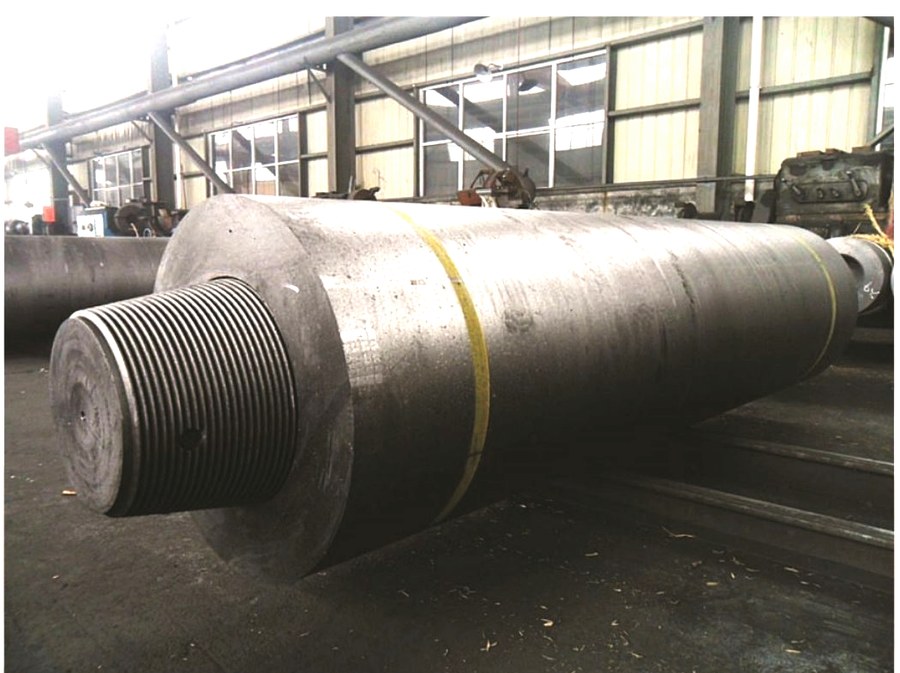
Graphite Electrode Nipple Installation: Best Practices to Prevent Breakage
Cleaning, alignment, tightening torque and joining timing — plus the most common field mistakes that lead to loose joints and electrode breakage.
Read article →What resistivity, bulk density, bending strength and CTE actually mean on the shop floor — and the two columns buyers routinely overlook.
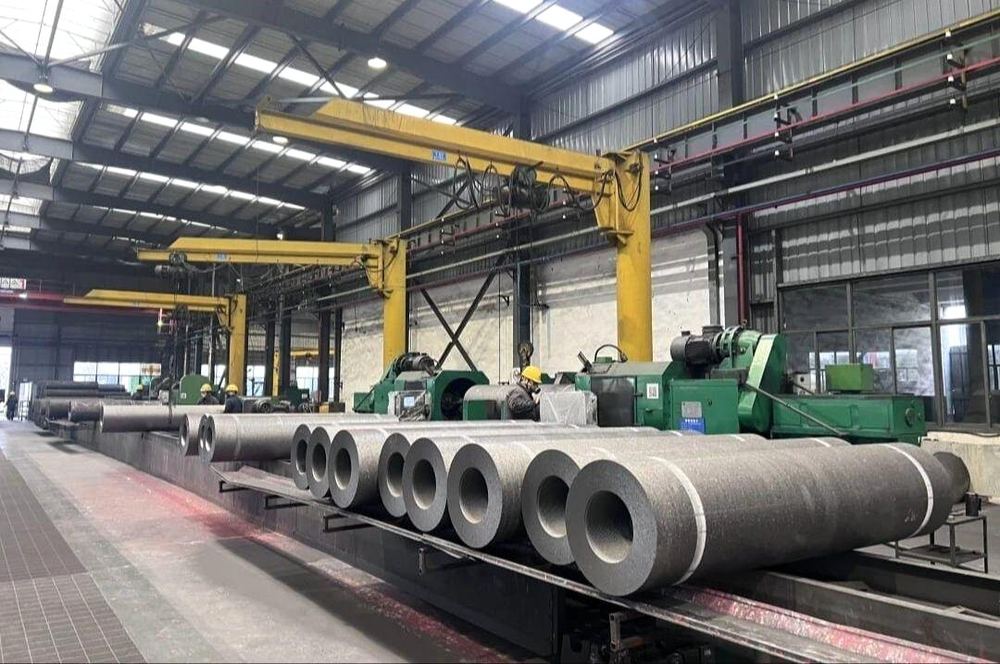
A supplier's data sheet is only a few rows of numbers, yet each row maps to a concrete shop-floor behaviour. Understanding them is how you judge the real level behind a quotation.
Governs self-heating and electrical losses. Lower values mean less loss and usually more complete graphitization. Distinguish the electrode body and nipple columns — nipple requirements are normally tighter.
Resistance to bending fracture, directly relevant to charge collapse and column sway. Nipple values are typically higher because the joint carries concentrated load.
Related to thermal-shock behaviour. In general, a lower modulus combined with higher strength means better thermal-shock tolerance.
A rough indicator of impurity level; excessive ash affects purity and high-temperature behaviour. Most specifications cap it at 0.3%.
Correlates with strength, oxidation resistance and consumption rate. Higher density generally means a tighter structure and slower oxidation. UHP electrodes measure about 1.68–1.73 g/cm³.
Dimensional change under rapid heating and cooling. Lower CTE means less cracking and spalling — one of the key differentiators between premium and regular grades.
Standard vs measured. The standard is a pass/fail boundary; the measured value is the actual level of that batch. Measured values and batch-to-batch consistency matter more than bare compliance.
Allowable current table. Listed by diameter, it gives allowable current and current density. It determines the diameter you need and the operating current you can carry — the direct basis for sizing.
| Property | Main impact |
|---|---|
| Resistivity | Power consumption, self-heating |
| Bending strength | Breakage risk |
| Elastic modulus | Thermal shock |
| Ash | Purity, high-temperature behaviour |
| Bulk density | Strength, oxidation, consumption |
| CTE | Cracking and spalling |
Full three-grade comparison and allowable-current tables are on the specifications page. To request batch inspection data, note it in your inquiry.
Share the diameter, grade, quantity and application, and we'll return a competitive price, a workable technical solution and after-sales support. You're also welcome to reach us directly by phone, email or WhatsApp.
Request a quote →Cleaning, alignment, tightening torque and joining timing — plus the most common field mistakes that lead to loose joints and electrode breakage.
Read article →
Differences in fixed carbon, sulfur, nitrogen and recovery between graphitized and calcined petroleum coke, with typical steelmaking and foundry applications.
Read article →We have your request. Our sales team will contact you by email, phone or WhatsApp within 24 hours.