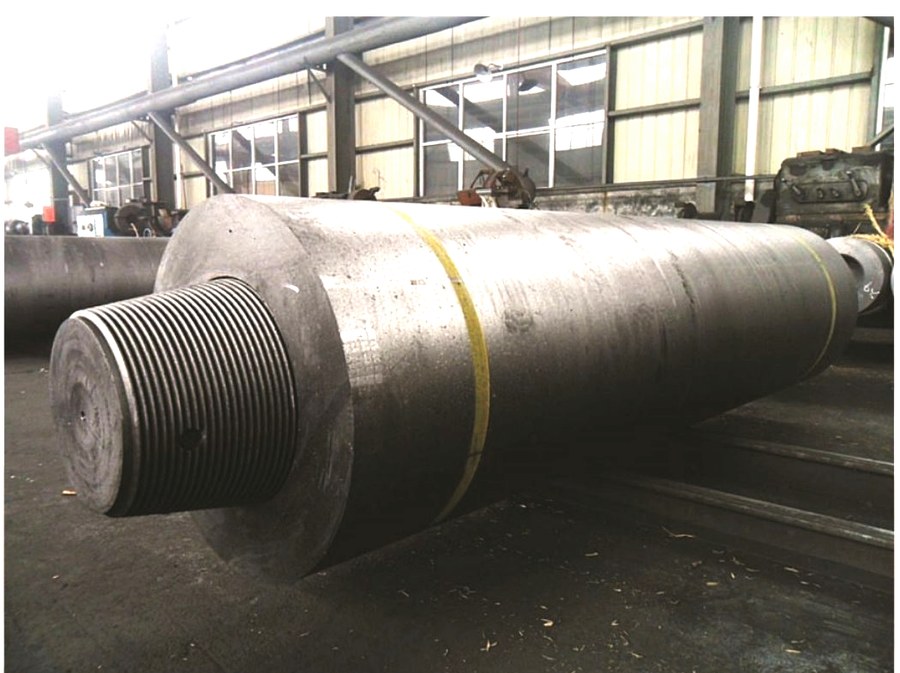
Graphite Electrode Nipple Installation: Best Practices to Prevent Breakage
Cleaning, alignment, tightening torque and joining timing — plus the most common field mistakes that lead to loose joints and electrode breakage.
Read article →Differences in fixed carbon, sulfur, nitrogen and recovery between graphitized and calcined petroleum coke, with typical steelmaking and foundry applications.
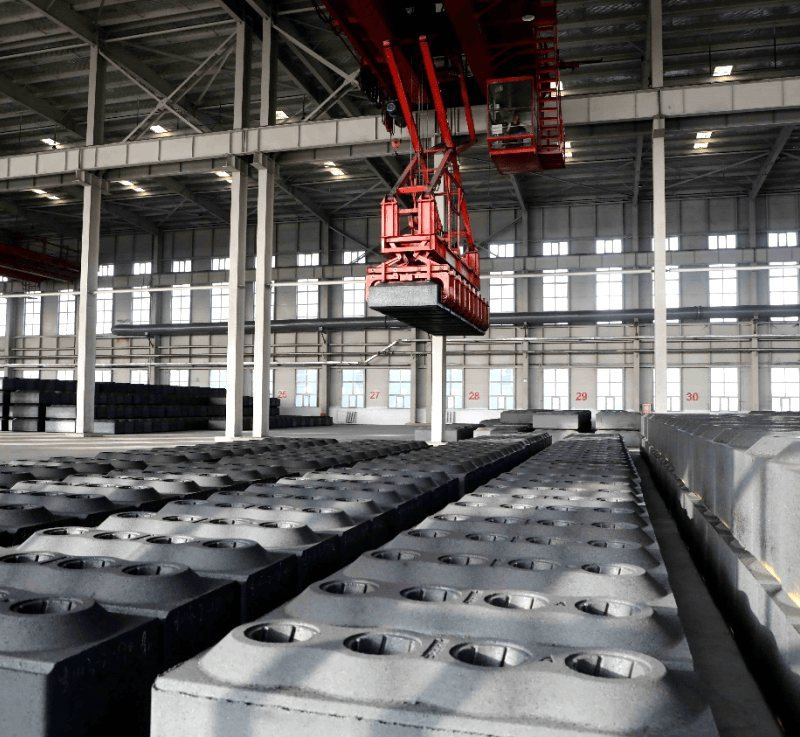
Carbon raisers may look like a minor additive, but sulfur, nitrogen and recovery differences show up directly in melt chemistry and cost. Graphitized petroleum coke (GPC) and calcined petroleum coke (CPC) are the two most common types.
CPC (calcined petroleum coke): raw coke is calcined to remove volatiles and moisture. High fixed carbon, lower cost — the largest-volume option for cast iron and general steelmaking.
GPC (graphitized petroleum coke): further high-temperature graphitization gives a more ordered carbon structure, lower sulfur and nitrogen, higher and more consistent recovery, and faster dissolution. Used for quality steel grades with tight chemistry control.
| Item | CPC | GPC |
|---|---|---|
| Fixed carbon | High | Higher |
| Sulfur / nitrogen | Relatively higher | Lower |
| Recovery | Good | Higher, more stable |
| Cost | Lower | Higher |
| Typical use | Cast iron, general steelmaking | Quality steel, low-S / low-N requirements |
Work backwards from the sulfur and nitrogen ceilings of the target grade, set particle size by addition method, then compare cost per unit of carbon pick-up rather than price per tonne. Higher recovery and consistent chemistry often win on total cost.
GPC, CPC and carbon raiser products to specified size and chemistry, with batch inspection data. State your specification and volume in an inquiry, or see the product range for our carbon materials series.
Share the diameter, grade, quantity and application, and we'll return a competitive price, a workable technical solution and after-sales support. You're also welcome to reach us directly by phone, email or WhatsApp.
Request a quote →Cleaning, alignment, tightening torque and joining timing — plus the most common field mistakes that lead to loose joints and electrode breakage.
Read article →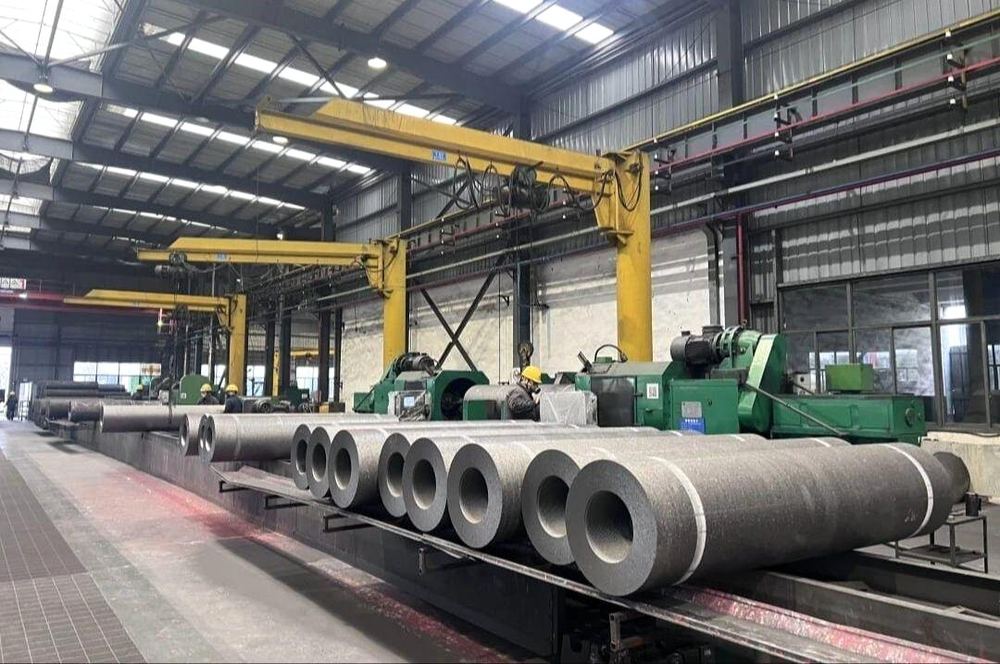
What resistivity, bulk density, bending strength and CTE actually mean on the shop floor — and the two columns buyers routinely overlook.
Read article →We have your request. Our sales team will contact you by email, phone or WhatsApp within 24 hours.